
Buffet vs Plated vs Food Stations: Which Catering Style Fits Your Event?
· By Chef Carlos Carone
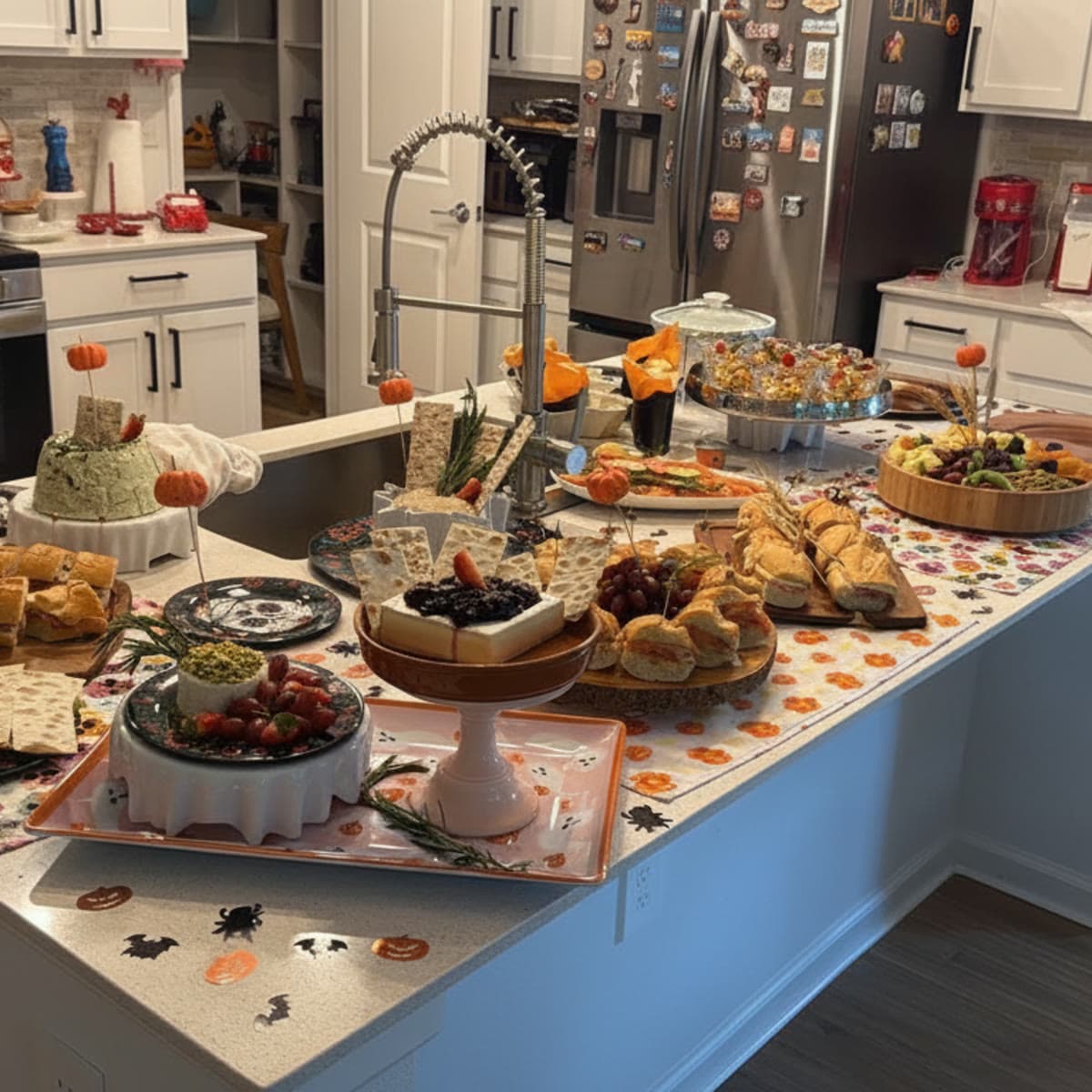
Choosing a service style is one of the first big decisions once you have a date and a guest count. It shapes your budget, your timeline, how your room is set up, and how your guests actually feel during the meal. The same menu can feel formal or relaxed depending on whether it arrives on a plate, waits on a buffet line, or gets cooked to order in front of your guests.
At Carlos Flórida Gourmet, chef Carlos Carone cooks fresh on site, so every style is built around real food, not steam trays that sat for hours. This guide breaks down buffet, plated, and live food stations in plain terms, with the pros, cons, cost implications, and best fit for weddings, corporate events, and quinceaneras across Orlando, Winter Park, Lake Nona, and Kissimmee. When you are ready, a tasting and a free quote make the final call easy.
How Each Style Actually Works
Plated service is the most formal option. Guests stay seated, servers bring each course to the table, and the pacing is controlled from the kitchen. It usually means a set menu with two or three entree choices collected ahead of time. Buffet service sets the food on stations along a line, and guests serve themselves or are served by attendants. It offers more variety per person and a more casual, social energy. Live food stations sit somewhere in between and lean into experience. Chefs cook to order in front of guests at spots like a pasta or risotto station, a paella pan, a carving station, or a brunch omelette station. Family style is a fourth option, where large shared platters go to the center of each table and guests pass them, giving a warm, home table feel with less waiting than a buffet line.
Pros and Cons Side by Side
Plated wins on elegance, portion control, and a calm room, since nobody leaves their seat. The trade offs are a higher staffing need, a fixed menu, and less flexibility for picky or dietary needs once the count is locked. Buffet wins on variety, value, and a relaxed vibe, and it handles mixed appetites and dietary options well because guests choose their own portions. The downsides are lines at peak, more food volume to cover second helpings, and a less formal look. Live stations win on wow factor and freshness, because guests watch their plate come together and the food is hot off the pan. They cost more per station in labor and equipment and take more floor space. Family style wins on warmth and conversation, but it needs bigger tables and a menu built to share.
What Each Style Means for Your Budget
Cost depends on your menu, guest count, staffing, rentals, and venue, so treat any figure as a market typical range rather than a quote. In Central Florida, plated tends to carry higher labor because you need more servers per guest for smooth coursing. Buffet can be efficient per plate, though generous variety and backup food can add up. Live stations usually sit at the higher end per station because each one needs its own chef, equipment, and ingredients prepped for cooking to order. Family style often lands near buffet on food and closer to plated on service. The cleanest way to compare real numbers for your date and headcount is a free quote, where we price the actual menu and staffing you want instead of a generic per head guess.
Guest Experience, Flow, Timing, and Staffing
Think about how you want the room to feel and move. Plated keeps everyone seated and is easiest for speeches and a tight schedule, but it needs the most servers and a kitchen that can fire courses on cue. Buffet gets people up and mingling and scales well for larger counts, though you should plan two lines or double sided stations so a big group is not waiting twenty minutes to eat. Live stations create natural gathering spots and pace the meal in waves, which keeps energy high, and they need enough chefs and space so lines stay short. As a rule of thumb, more service at the table means more staff, and more self service means more food volume. Full service staffing and a bar are part of what we handle, so the flow is planned before your guests arrive, not improvised on the day.
Best Fit by Event Type, and Why Orlando Loves Live Stations
Weddings often mix styles. A plated dinner for the formal seated moment pairs beautifully with a couple of live stations at cocktail hour or late night. Corporate events lean toward buffet or stations for networking, since seated plated service can slow down a program with speakers and awards. Quinceaneras and large social celebrations frequently love stations and buffet for the festive, social feel and the room to serve a big, multigenerational crowd. Live stations have become especially popular across Orlando because they turn dinner into part of the entertainment, they suit the areas love of celebrations, and a Brazilian and Latin inspired station like paella or carving gives a memorable centerpiece that guests talk about long after.
How to Mix Styles and Make the Call
You do not have to pick just one. A common and effective combination is a plated or family style main course with one or two live stations for cocktail hour or dessert, which gives you elegance and experience without paying full station labor for every dish. To decide, start with three questions. First, how formal is the event, since more formal points to plated. Second, how much do you want guests mingling versus seated, since mingling points to buffet or stations. Third, what is your budget priority, food variety or table service. Answer those and the right blend gets clear fast. The best next step is a tasting with chef Carlos, so you can taste the menu, see the styles, and lock a plan that fits your event and your budget.
Frequently asked questions
- Is buffet or plated catering cheaper?
- It depends on your menu and guest count, so treat any number as a market typical range rather than a fixed price. Buffet is often efficient per plate because it needs fewer servers, though generous variety and backup food can raise the total. Plated usually carries higher labor because it needs more servers for smooth coursing. The most accurate comparison is a free quote priced to your actual menu, headcount, and staffing.
- Are live food stations worth the extra cost?
- For many events, yes, because stations double as entertainment and serve food hot and fresh, cooked to order in front of guests. Options like pasta, risotto, paella, carving, and a brunch omelette station create natural gathering spots and a memorable centerpiece. They do cost more per station in chef labor, equipment, and space, so a popular middle path is one or two stations alongside a buffet or plated main course.
- Can I combine buffet, plated, and stations at one event?
- Yes, and mixing styles is common. A frequent setup is a plated or family style main course with one or two live stations at cocktail hour or dessert, which balances elegance, variety, and experience without paying full station labor for every dish. We help you plan a blend that fits your flow and budget, then confirm the details at your tasting.
- Which catering style is best for a wedding in Orlando?
- There is no single best style, it depends on your vibe and schedule. Plated suits a formal seated dinner and makes speeches easy, while buffet and live stations encourage mingling and handle large, mixed crowds well. Many Orlando weddings pair a plated or family style dinner with live stations at cocktail hour for the best of both. A tasting helps you feel the difference before you decide.
- How many guests can each service style handle?
- All three styles scale, but the setup changes with size. Larger counts usually favor buffet or multiple live stations, planned with two lines or double sided stations so guests are not waiting long. Plated can serve large groups too, though it needs more servers and a kitchen that can fire courses on cue. Share your headcount and venue in a free quote and we will map the staffing and flow to match.
Related services
Serving
Ready for an exact price?
Get a free, no-pressure in-home estimate. Real numbers for your home, not a phone guess.