
Live Cooking Stations: Why Orlando Guests Love Interactive Catering
· By Chef Carlos Carone
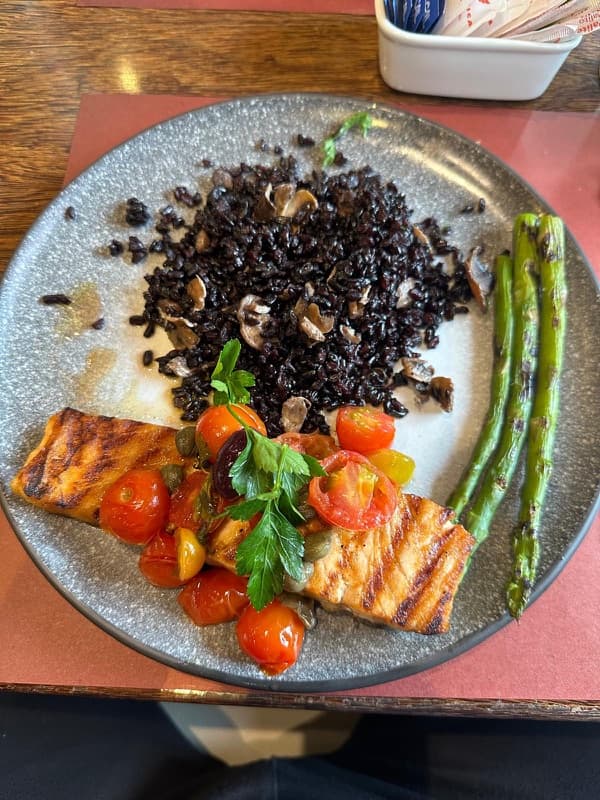
A plated dinner feeds your guests. A live cooking station gives them something to watch, smell, and talk about. Instead of trays coming out of a hidden kitchen, a chef sets up right in the room and cooks each portion to order, so the pasta is just tossed, the risotto is still creamy, and the carving knife is still warm when the plate reaches the table. At Carlos Flórida Gourmet, chef Carlos Carone builds these interactive stations around Brazilian and Latin flavors plus American crowd-pleasers, all cooked fresh on-site for weddings, corporate events, and private parties across Orlando and Central Florida.
If you have ever wondered whether action stations are worth the space and the staffing, this guide walks through what they are, which types land best with guests, where they fit in your event flow, and how to plan them so the food stays hot and the line keeps moving. Every event is different, so treat the numbers here as general market ranges and reach out for a free quote built around your headcount and venue.
What a live cooking station actually is
A live cooking station, sometimes called an action station, is a serving point where a chef prepares food in front of your guests rather than in a back kitchen. The station has its own setup: a cooking surface, the fresh ingredients on display, garnishes, and a server or chef who plates each portion on request. The appeal is simple. Guests choose what they want, watch it come together, and get it hot and fresh instead of pre-plated and sitting. It turns eating into part of the entertainment, which is why so many hosts in Orlando ask for at least one station even when the rest of the meal is buffet or plated.
Popular station types guests remember
The right station depends on your crowd and the vibe you want. Some favorites that work well for Central Florida events: a pasta station where guests pick their shape and sauce and the chef tosses it fresh; a risotto station stirred to order and finished with cheese; a paella station cooked in a wide pan for a dramatic centerpiece; a carving station with roasted meats sliced to order; a brunch omelette station where each guest calls out their fillings; and a taco or Latin station with fresh toppings and made-to-order builds. Because chef Carlos Carone is Brazilian-born and cooks Brazilian and Latin-inspired food alongside American classics, stations can lean toward the flavors that make your event feel personal rather than generic.
Why guests love the interactive format
Three things make action stations a hit. First, entertainment: watching a chef work is a natural gathering point, it breaks the ice, and it gives guests something to do between courses. Second, freshness: food cooked to order tastes better than food that has been holding on a buffet line, and the aroma of a pan working the room builds appetite. Third, heat and control: guests get their plate hot, and they get to customize it, so picky eaters and dietary preferences are easier to handle in the moment. Put together, stations create the kind of moment people photograph and mention later, which is worth a lot at a wedding or a corporate event you want remembered.
Where stations fit: weddings, corporate, quinceaneras
Live stations flex to the occasion. At weddings, a station works beautifully during cocktail hour to keep guests happy while photos wrap, or as a late-night bite that gets people back on the floor. At corporate events, stations encourage mingling and keep a working crowd fed without a long sit-down that kills the schedule. At quinceaneras and private social parties, a paella or taco station becomes a centerpiece guests remember. Carlos Flórida Gourmet offers full-service staffing and bar plus plated, buffet, and family-style service, so a station can be the star of the meal or one lively element alongside the rest.
Space, power, staffing, and how many you need
Every station needs a footprint and a plan. Budget roughly a six to eight foot table area per station for the cooking surface, ingredients, and guest space, plus room for a line to form without blocking traffic. Some stations run on portable gas burners and some need access to power, so the venue and the layout matter, which is one reason a tasting and a walkthrough before you book help so much. Staffing is the other piece: a dedicated station needs its own chef or server so the line keeps moving and the food stays fresh. As a rough guide, one active station serves a smaller group nicely, while larger headcounts do better with two or three stations spread around the room so no single line gets long. Chef Carlos Carone can recommend the right count once he knows your guest number and space.
Cost considerations and planning tips
Interactive stations usually cost a bit more per guest than a straight buffet because they need dedicated staffing, live cooking equipment, and fresh ingredients prepped for made-to-order service. Pricing varies widely with your menu, guest count, number of stations, and venue, so treat any figure you see online as a general market range and ask for a written quote. A few tips to plan them well: pick stations that match your flavors rather than adding one of everything; spread stations around the room to avoid a single bottleneck; pair a rich station with a lighter one so the menu feels balanced; and book a tasting first so you taste the food and confirm the setup fits your venue. Carlos Flórida Gourmet offers a tasting before you book and a free quote to get you started.
Frequently asked questions
- What is a live cooking station at a catered event?
- A live cooking station, also called an action station, is a serving point where a chef prepares food in front of your guests instead of in a back kitchen. Guests choose what they want and watch it cooked to order, so it arrives hot and fresh. Common examples include pasta, risotto, paella, carving, an omelette brunch station, and taco or Latin stations. Carlos Flórida Gourmet builds these for events across Orlando and Central Florida.
- How many cooking stations do I need for my guest count?
- It depends on your headcount and how you want guests to flow through the room. As a general guide, one active station can serve a smaller group nicely, while larger events do better with two or three stations spread around so no single line gets long. Each active station needs its own chef or server to keep the line moving and the food fresh. Share your guest number and venue with Carlos Flórida Gourmet and chef Carlos Carone will recommend the right count.
- Do live cooking stations cost more than a buffet?
- They usually cost a bit more per guest than a straight buffet because they need dedicated staffing, live cooking equipment, and fresh ingredients prepped for made-to-order service. Actual pricing varies widely with your menu, guest count, number of stations, and venue, so any figure you see online is only a general market range. The best way to know is a written quote. Carlos Flórida Gourmet offers a free quote built around your event.
- What space and power do live cooking stations require?
- Plan for roughly a six to eight foot table area per station for the cooking surface, ingredients, and guests, plus room for a line to form without blocking traffic. Some stations run on portable gas burners while others need access to power, so your venue and layout matter. Carlos Flórida Gourmet offers a tasting and can review your space before you book so the setup fits and the food stays hot and fresh.
- Which events work best with live cooking stations?
- Stations flex to almost any occasion. At weddings they shine during cocktail hour or as a late-night bite. At corporate events they encourage mingling and keep a busy crowd fed without a long sit-down. At quinceaneras and private social parties, a paella or taco station becomes a memorable centerpiece. Carlos Flórida Gourmet caters weddings, corporate events, private parties, and quinceaneras across Orlando, Winter Park, Lake Nona, and Kissimmee with full-service staffing and bar.
Related services
Serving
Ready for an exact price?
Get a free, no-pressure in-home estimate. Real numbers for your home, not a phone guess.